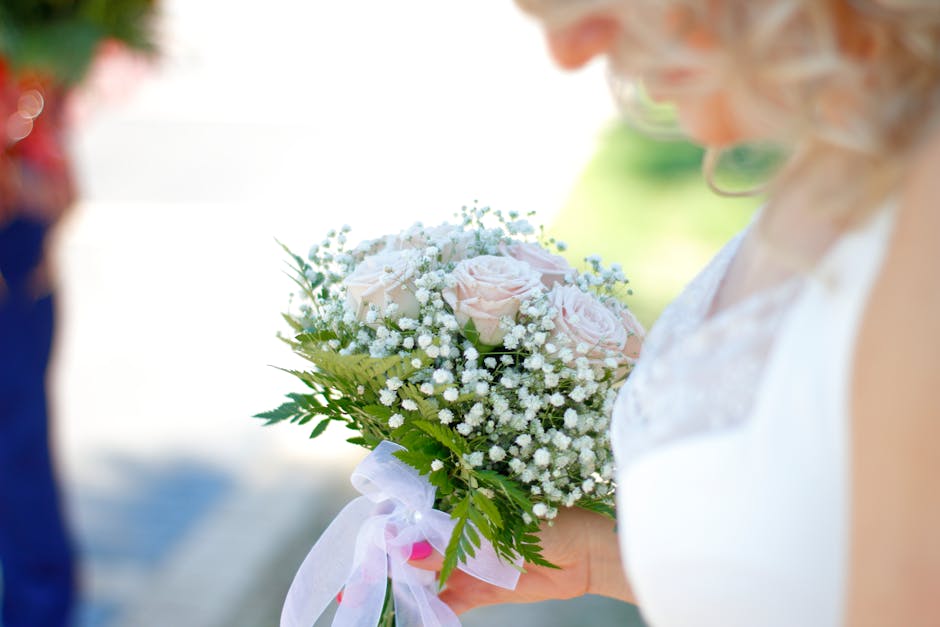
Common problems with Finchley wedding flowers and fixes
Posted on 10/10/2026
Wedding flowers should feel calm, beautiful, and a little bit magical. In practice, though, they can be one of the most stressful parts of the day if something goes off track. If you are planning flowers in North Finchley or nearby, the most common problems with Finchley wedding flowers and fixes usually come down to timing, temperature, flower choice, communication, and delivery. The good news? Most issues are preventable once you know what to look out for.
This guide walks through the real-world problems couples run into, why they happen, and what to do about them before they become last-minute headaches. You will also find practical checklists, comparison tables, and a simple step-by-step approach you can actually use. Let's face it, no one wants to be calming down over drooping roses ten minutes before the registrar arrives.
Table of Contents
- Why Common problems with Finchley wedding flowers and fixes Matters
- How Common problems with Finchley wedding flowers and fixes Works
- Key Benefits and Practical Advantages
- Who This Is For and When It Makes Sense
- Step-by-Step Guidance
- Expert Tips for Better Results
- Common Mistakes to Avoid
- Tools, Resources and Recommendations
- Law, Compliance, Standards, or Best Practice
- Options, Methods, or Comparison Table
- Case Study or Real-World Example
- Practical Checklist
- Conclusion
- Frequently Asked Questions
Why Common problems with Finchley wedding flowers and fixes Matters
Wedding flowers do a lot more than fill a vase. They shape the tone of the ceremony, show up in nearly every photograph, and quietly tie the whole event together. When they go wrong, people notice. A bouquet that wilts early, table flowers that arrive late, or buttonholes that fall apart during the drinks reception can affect the feel of the day far more than couples expect.
In Finchley, where weddings may involve church venues, local event spaces, restaurants, private homes, or transport across North London, the logistics can be slightly trickier than people first assume. A simple bouquet can be affected by traffic, parking restrictions, tight venue access, or a warm room near a sunny window. Not dramatic, but enough to cause trouble.
Understanding common problems with Finchley wedding flowers and fixes matters because it helps you plan with realism. You do not need to become a florist. You just need to know where the weak points are and how to reduce them. That alone saves a lot of panic.
Expert takeaway: Most wedding flower problems are not really flower problems. They are planning problems, timing problems, or expectation problems. Fix those early and the flowers usually behave themselves.
How Common problems with Finchley wedding flowers and fixes Works
At a basic level, wedding flowers work through a chain of decisions. You choose a style, agree a palette, select flower types, confirm quantities, arrange production, and then coordinate delivery and setup. If any link in that chain is weak, the whole arrangement can feel fragile.
The most common issues usually fall into a handful of categories:
- Flower freshness: blooms picked too early, too late, or stored badly.
- Temperature and weather: heat, cold, direct sun, or wind.
- Timing: bouquet and venue deliveries that are too early or too close to the ceremony.
- Design mismatch: arrangements that look lovely online but do not suit the venue or season.
- Communication gaps: changes to guest count, colour palette, or setup details not being passed on.
- Transport issues: flowers shifting, bruising, or drying out in transit.
Once you understand the process, fixes become much more straightforward. For example, if a bouquet keeps drooping, the fix might not be "better flowers" but simply cooler storage, a later handover time, or sturdier flower varieties such as roses, lisianthus, or chrysanthemums.
There is also a local angle. Finchley weddings often need flowers to travel short distances through busy streets, which sounds minor until you are trying to keep centrepieces upright in the back of a car on a warm afternoon. Small distances still matter. A lot.
Key Benefits and Practical Advantages
Taking a problem-solving approach to wedding flowers gives you a few real advantages, beyond simply avoiding stress.
- Better value for money: fewer emergency replacements and fewer wasted stems.
- More reliable presentation: flowers that look fresh from aisle to after-party.
- Less last-minute pressure: because risks are identified early.
- Stronger venue fit: arrangements are designed for the actual space, not just a mood board.
- Cleaner wedding photos: no sagging bouquets, crushed petals, or awkward gaps in displays.
- More confident decision-making: you can compare options without second-guessing every detail.
There is a practical advantage too: once you know the likely failure points, you can prioritise where to spend your attention. Maybe you do not need the rarest flower in the world. Maybe you need something that can survive a church aisle, a taxi journey, and a room full of guests in wedding outfits who are all, somehow, standing very close to the table displays.
Who This Is For and When It Makes Sense
This is for anyone planning a wedding in or around Finchley who wants the flowers to look polished without becoming a source of chaos. It is especially useful if you are:
- booking flowers for a church, civil ceremony, or reception venue
- trying to match bouquets, buttonholes, bridesmaid flowers, and table designs
- working to a fixed budget and want to avoid waste
- planning a summer wedding where heat could be an issue
- planning a winter wedding where indoor heating may dry arrangements faster
- organising a small wedding and want simple, elegant flowers rather than oversized designs
- coordinating from outside the area and need delivery you can trust
It also makes sense if you are at the stage where Pinterest has become both useful and mildly dangerous. Lovely ideas, yes. But real venues, real weather, and real budgets have a habit of being less forgiving.
If you are still comparing styles, browsing wedding flower collections can help you narrow down what suits your day before you lock anything in.
Step-by-Step Guidance
1. Start with the venue, not the bouquet
The venue decides a lot more than people think. A grand hall, a small restaurant, a church, and a garden marquee all ask for different flower choices. Look at ceiling height, table size, natural light, and where guests will actually be standing. A bouquet that feels perfect in a showroom may look too heavy in a tiny room.
2. Choose flowers that suit the season
Seasonal flowers are often more dependable. They tend to travel better, last longer, and feel more natural for the time of year. If you want peonies in the wrong month, you may still get them, but the trade-off can be cost, availability, or shorter vase life. Truth be told, seasonal restraint often looks more elegant anyway.
3. Confirm the delivery plan in detail
Ask how flowers will be packed, who receives them, and what happens if the venue is hard to access. For Finchley deliveries, that includes checking parking, loading access, and whether flowers should arrive at the venue or at a home address first. A 15-minute mix-up can turn into a much bigger issue if the bridal party is already on the move.
4. Keep arrangements realistic for transport
Some flowers are naturally sturdier than others. For wedding bouquets and buttonholes, design choices matter. Roses, orchids, lisianthus, alstroemeria, and chrysanthemums can often handle travel better than very delicate blooms. That does not mean avoid delicate flowers entirely, but balance is wise.
5. Build in a backup for key items
If the bouquet, buttonholes, or top table flowers are absolutely essential, ask what the plan is if something is delayed or damaged. Sometimes the backup is a replacement design. Sometimes it is a second delivery window. Either way, it helps to know before the day itself.
6. Re-check names, colours, and quantities
It sounds obvious, but this is where mistakes often hide. One wrong colour note or one missing table number can ripple through the whole order. Wedding planning has enough noise already. Keep the flower brief boringly clear. That is a compliment, by the way.
Expert Tips for Better Results
In our experience, the best wedding flower outcomes come from simple, unglamorous habits done well.
- Use a short written brief: venue, date, timing, colours, flower preferences, and any avoid-list items.
- Choose focal flowers carefully: one or two hero flowers are usually enough. Too many competing flowers can make the design look busy.
- Match scale to the space: big arrangements can overwhelm small rooms, while tiny centrepieces can disappear in larger venues.
- Ask about conditioning: florists usually condition flowers before arranging them, which helps with freshness and longevity.
- Protect bouquets from heat: keep them in water or cool storage until needed, unless your florist advises otherwise.
- Plan a handover point: one named person should be responsible for receiving the flowers. Not three cousins and a best man.
A small but useful tip: if you want flowers for photographs, make sure your bouquet and buttonholes are ready before the camera starts clicking in earnest. That moment, when everyone suddenly remembers the speeches are in twenty minutes, is not the time to discover the corsages are still in a car boot.
If you need inspiration for bridal or bridesmaid styling, take a look at bridal bouquets and bridesmaid bouquets to compare shape, size, and tone.
Common Mistakes to Avoid
Most flower problems are preventable, but some mistakes keep showing up again and again.
- Booking too late: the closer you get to peak wedding dates, the less flexibility you have.
- Overlooking venue conditions: direct sun, warm radiators, drafts, or outdoor exposure can shorten flower life.
- Choosing delicate blooms for high-risk moments: soft petals may bruise easily during transport.
- Forgetting buttonholes and smaller items: these are easy to leave until the end, and then the order feels incomplete.
- Assuming all flowers will open instantly: some flowers arrive tighter than expected and need time to bloom.
- Not confirming delivery timing: especially if the ceremony starts earlier than planned.
- Ignoring the budget split: spending too much on one large arrangement can leave the rest of the day looking sparse.
One slightly awkward reality: couples sometimes fall in love with a design, then realise it needs six large arrangements, four smaller pieces, and a team of people to move them. Lovely? Yes. Practical? Not always.
For smaller budgets, it can help to explore budget-friendly flower options or even a broader florist choice style if you want value without over-directing every stem.
Tools, Resources and Recommendations
You do not need specialist software to plan wedding flowers well, but a few simple tools make the process smoother.
- Venue measurements: table sizes, aisle width, and entry points.
- Colour reference images: not just mood boards, but actual shades in daylight.
- Guest list and table plan: so you do not over-order centrepieces.
- Wedding timeline: ceremony, photography, reception arrival, and cake cutting.
- Delivery notes: postcode, contact name, parking detail, and access instructions.
Useful florist-side resources can also help after the wedding day. For example, basic flower care guidance is handy if you want the arrangements to last into the evening or be reused the next day. Delivery and service pages are worth checking too, especially if you are trying to coordinate everything from one place: delivery information and service guarantees can clarify what happens if plans change.
If your wedding is part of a larger event schedule, it may also help to review the florist's general about us information so you know the style of service and level of support you can expect. It sounds small, but these details matter when you are trusting someone with a big day.
Law, Compliance, Standards, or Best Practice
Wedding flowers are not usually a heavily regulated area in the way food or transport can be, but there are still sensible standards to keep in mind. Best practice matters.
First, if flowers are being delivered to a venue, the florist should follow clear handling and delivery procedures so items arrive in good condition and on time. You should also expect straightforward communication about order details, substitutions, and any limits to what can realistically be provided. If a floral item is seasonal or unavailable, good practice is to explain the alternative rather than making assumptions.
Second, if any arrangements are being installed in public or shared spaces, they should be safe, stable, and not block walkways or exits. That is common sense, but common sense is sometimes the first thing to vanish on a busy wedding morning.
Third, payment, cancellation, and refund terms should be clear in advance. You do not need legal drama on top of a seating-plan debate. Reading the terms and conditions and returns and refund policy helps set realistic expectations before anything is ordered.
If sustainability matters to you, ask how flowers are sourced and handled. A clear sustainability approach is increasingly part of good florist practice, and many couples appreciate knowing that choices have been made with care.
Options, Methods, or Comparison Table
Different wedding flower approaches suit different couples. Here is a simple comparison to help you decide what feels right.
| Approach | Best for | Main advantage | Main risk |
|---|---|---|---|
| Fully bespoke design | Large weddings, detailed themes, high visual impact | Most personalised and flexible | Can become expensive or complex fast |
| Seasonal florist-led choice | Couples who want value and less stress | Usually fresher and easier to coordinate | Less control over every bloom |
| Minimal wedding flowers | Registry weddings, smaller venues, tighter budgets | Simple, elegant, easy to manage | May feel understated if not styled well |
| Statement pieces only | Those wanting one strong visual moment | High impact without full venue coverage | Other areas can look a bit bare if overdone |
For many Finchley weddings, a mixed approach works best: a standout bridal bouquet, dependable bridesmaid flowers, practical buttonholes, and a few well-placed table arrangements. It gives you visual cohesion without overloading the budget or the logistics.
If you are leaning toward wedding-specific items, the buttonholes and table arrangements pages are useful for thinking through the smaller details that often get overlooked until the last minute.
Case Study or Real-World Example
Here is a realistic example from a typical Finchley wedding setup. A couple booked a late-spring ceremony and wanted pale flowers with a soft, romantic look. Beautiful idea. But the first draft used very delicate blooms for everything, including the buttonholes and table pieces.
The issue? The ceremony was in the afternoon, the reception room had strong natural light, and the flowers needed to move from a home address to the venue and then to the reception space later on. That is three stages, not one. By the time the plan was reviewed, it was clear the original design risked wilting and bruising.
The fix was simple but effective:
- swap some delicate stems for sturdier flowers with a similar colour tone
- reduce the size of a few pieces so transport was easier
- schedule delivery closer to the ceremony
- keep the bouquet in cool storage for as long as possible
- use reliable designs for buttonholes and table pieces, with the softer flowers reserved for the bouquet and focal displays
The end result was calmer, neater, and more durable. The flowers still looked elegant in photos. They just also survived the day, which is a pretty useful feature. Fancy and functional can get along, honestly.
Practical Checklist
Use this checklist before confirming any wedding flower order in Finchley.
- Have I confirmed the venue name, postcode, and access details?
- Do I know where the flowers will be delivered and who will receive them?
- Have I chosen flowers that suit the season and the venue conditions?
- Have I checked whether any blooms are particularly delicate or temperature-sensitive?
- Are bouquet, bridesmaid, buttonhole, and table quantities clearly listed?
- Have I shared colour references and any flowers I want to avoid?
- Is there a clear delivery window that works with the wedding timeline?
- Have I asked what happens if a flower is unavailable?
- Do I know how the flowers should be stored on the day?
- Have I checked payment, substitution, and policy details?
If you can tick most of those off, you are already ahead of the game. A little structure goes a long way.
Conclusion
The most common problems with Finchley wedding flowers and fixes are usually not mysterious. They are practical issues: timing, freshness, venue fit, transport, and communication. Once you understand those pressure points, planning gets easier and much less stressful.
The real aim is not perfection. It is reliability, beauty, and a calm enough process that you can actually enjoy the day. A good floral plan should support the wedding, not dominate your thoughts at 7:30 in the morning while everyone is getting ready and someone is asking where the ribbon scissors have gone.
If you are still deciding on styles or ordering details, start with the venue, keep the design realistic, and ask the awkward questions early. That is usually where the fixes begin. And once the flowers are settled, everything else tends to feel a bit more manageable.
Get a free quote today and see how much you can save.
Small details, handled well, can make a wedding feel effortlessly special. That part never gets old.
Frequently Asked Questions
What are the most common problems with Finchley wedding flowers?
The most common issues are wilting, late delivery, flower substitutions, designs that do not suit the venue, and bouquets or buttonholes that are too delicate for transport. Most can be avoided with better timing and clearer planning.
How far in advance should I book wedding flowers in Finchley?
It is sensible to book as early as you can, especially for busy spring and summer dates. The earlier you book, the more choice you usually have on flower types, delivery times, and design changes.
Which flowers last best for a wedding day?
Roses, orchids, lisianthus, alstroemeria, and chrysanthemums are often dependable choices because they handle handling and temperature changes fairly well. Your florist can suggest the best mix for the season.
What should I do if my wedding flowers arrive late?
Contact the florist or delivery team immediately and keep the venue informed. If a named contact is receiving the flowers, they can often prevent small delays from turning into bigger problems.
How do I stop wedding flowers from wilting?
Keep them cool, out of direct sun, and away from heat sources. Ask for flowers to be delivered as close as practical to the ceremony and avoid leaving arrangements in a hot car or near radiators.
Are seasonal flowers better for Finchley weddings?
Usually, yes. Seasonal flowers tend to be fresher, more reliable, and often better value. They also fit the time of year naturally, which can make the whole design feel more cohesive.
What is the best way to choose wedding flowers for a small venue?
Use smaller, well-proportioned arrangements and avoid overcrowding tables or walkways. In a compact venue, fewer but better-placed flowers often look more polished than large, bulky designs.
Can I request specific flowers and colours for my wedding order?
Yes, and you should. Just keep in mind that exact blooms may depend on the season and availability. A good florist will usually suggest close alternatives if needed.
How do I compare wedding flower options without getting overwhelmed?
Focus on the venue, budget, and the few items that matter most: bridal bouquet, buttonholes, and table flowers. Once those are clear, the rest usually becomes much easier to decide.
Do I need to worry about refunds or substitutions?
It is wise to check the florist's policies before ordering. Flower businesses often need to make substitutions if a particular bloom is unavailable, so clear terms help avoid confusion later.
Should I choose a florist who knows Finchley and North London?
Local knowledge can help with delivery timing, access, parking, and venue conditions. It is not the only thing that matters, but for weddings it often makes coordination smoother.
How can I make sure my wedding flowers match the rest of the day?
Share your colour palette, venue photos, dress style, and table setup early. The more context the florist has, the easier it is to create flowers that feel like they belong to the whole celebration rather than sitting apart from it.